
Brentwood Ingrown Toenail
Are you looking for ingrown toenail care in Brentwood, CA?
At SoCal Sports Podiatry, we invite you to schedule an appointment with a Brentwood ingrown toenail provider today.
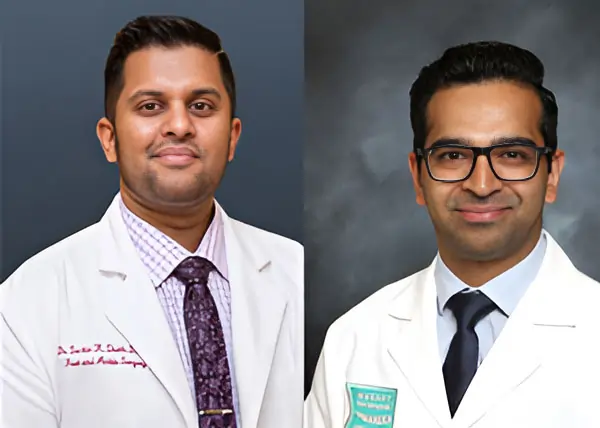
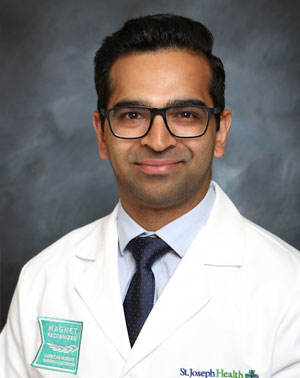
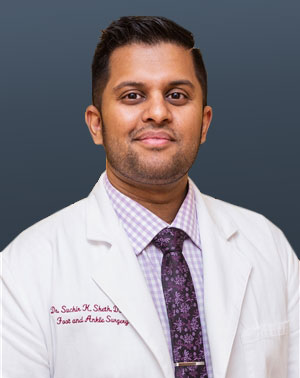
If the skin beside a toenail has turned red and tender, a podiatrist can confirm whether the nail edge has grown into it and treat the problem before an infection develops. Treatment for a Brentwood, CA ingrown toenail ranges from conservative measures to brief in-office procedures. The practice’s co-founders, Dr. Neil Patel, DPM, and Dr. Suchir Sheth, DPM, both graduated from Temple University School of Podiatric Medicine and are certified by the American Board of Podiatric Medicine. We’ve treated ingrown toenails at SoCal Sports Podiatry for eight years. Book an evaluation today.
Ingrown Toenail Podiatrist in Brentwood, CA
An ingrown toenail forms when the side of the nail plate presses into the fold of skin beside it. The body reacts to that edge much as it would to a splinter, so the skin swells and may start to drain.
Brentwood patients of every age develop the problem, although it’s most common in young men. In the county’s 2015 health survey, about 4.5% of adults in the West Service Planning Area, which includes Brentwood, reported a diabetes diagnosis, according to LA County Public Health. That is less than half the countywide rate of 9.8%. But for patients who do have diabetes, an ingrown nail deserves closer attention. Reduced feeling can mask the early pain. Poor circulation then slows healing.
Ingrown Toenail Services We Offer in Brentwood
Ingrown toenail treatment at our practice follows the severity of the problem. A mildly irritated corner seen for the first time rarely needs a procedure, while an edge that keeps returning is best addressed at the nail root.
- Conservative ingrown toenail care. A mildly ingrown corner can often be relieved in the office by trimming the offending edge and changing the shoes that press on it. We’ll also show you how to cut the nail so the corner doesn’t dig in again.
- Painless nail correction system. For a nail that curves into the skin without a serious infection, a thin brace can guide the edge outward as the nail grows. This option leaves the nail intact.
- Infected ingrown toenail treatment. Pus, warmth, or redness extending up the toe signals infection. Removing the embedded edge usually clears a local infection on its own, and antibiotics are added when redness has spread beyond the nail fold.
- Partial nail removal. After a numbing injection at the base of the toe, the doctor lifts out the narrow strip of nail pressing into the skin. Most of the nail remains.
- Chemical matrixectomy. When the same side keeps growing in, a chemical such as phenol is applied to the root of that edge after the strip is removed. That section of root stops producing nail. The border then regrows narrower and no longer reaches the skin fold.
- Post-procedure wound care. We check the treated toe at follow-up visits and adjust dressing instructions if healing slows. Patients with circulation problems may need more frequent checks.
- Sports-related ingrown toenails. Repeated pressure from running and kicking raises the risk for student athletes. Return-to-sport timing is discussed as part of the treatment plan. Properly fitted athletic shoes with room at the toes lower the chance of a repeat episode.
- Ingrown toenail care for patients with diabetes. Diabetes changes how we approach an ingrown nail, from how often the toe is checked to which root treatment is used. Blood sugar control also affects healing after any procedure.
Why Choose SoCal Sports Podiatry for Ingrown Toenail Care in Brentwood, CA?
Wound-Healing Background for Infected Nails
An infected ingrown toenail is treated as a small wound as well as a nail problem. Dr. Suchir Sheth‘s clinical background includes wound healing and the treatment of acute and chronic pain. He also treats children and teenagers. Ingrown nails are common in that age group. His fellow co-founder, Dr. Neil Patel, trained for three years as a surgical resident at the University of Pittsburgh Medical Center. Both hold dual board certification in foot and ankle surgery and podiatric medicine. If a toe is slow to close after a procedure, the same physicians handle follow-up through our wound care services.
Care for Teen Athletes and Medicare Patients Alike
Brentwood patients are seen at our Santa Monica office, whether the patient is a teenager with a first ingrown nail or an adult on Medicare with a recurring one. The office sits inside the Medical Centre of Santa Monica building, at Santa Monica Boulevard and 20th Street. We accept Medicare and PPO insurance plans, though benefits for a given procedure vary from one plan to the next. Patients treated for an ingrown nail can return to the same doctors when another foot problem calls for a podiatrist in Brentwood, CA.
Understanding Ingrown Toenail Care
Conditions We Treat and Treatment Options
An ingrown toenail usually persists or gets worse without treatment. Severity decides the next step. Physicians grade the condition on a three-level scale, and an AAFP clinical review explains how each grade guides care. Procedures prevent recurrence more reliably than nonsurgical care. But milder cases often improve without one.
- Mild (grade I). The nail fold is red and tender, with no pus. Nonsurgical measures usually work at this stage, including treatment of excessive sweating when it contributes.
- Moderate (grade II). Drainage or infection has developed along the edge, and either nonsurgical care or a partial removal may be recommended depending on the pain and how deeply the nail is embedded.
- Severe (grade III). Long-standing inflammation has produced a raised mound of overgrown tissue along the nail border. Removing part of the nail is the standard approach. The root is often treated at the same time.
- Recurring ingrown toenails. An edge that returns after earlier treatment usually needs its root addressed. That’s a minor form of podiatric surgery, done under local anesthesia.
- Pressure from toe alignment. A bunion can push the big toe toward its neighbor and press the nail border into the skin. When alignment is part of the cause, we evaluate it along with the nail.
What Should You Expect from Ingrown Toenail Treatment?
- The doctor examines the toe, asks how long it’s been bothering you, and assigns a severity grade before recommending treatment.
- If a procedure is needed, a local anesthetic such as lidocaine is injected near the base of the toe.
- The injection stings briefly.
- After five to 10 minutes, the toe is numb, and the ingrown strip is lifted out; the root is treated if that edge has a history of recurrence.
- You can walk out of the office with a light dressing on the toe, and over-the-counter pain relievers usually handle any soreness afterward.
What Is the Typical Treatment Timeline?
- On the day of the procedure, rest the foot and keep it elevated for 12 to 24 hours.
- The first dressing change comes 24 to 48 hours later. Normal walking can resume then.
- Warm-water soaks and fresh dressings continue for one to three weeks.
- If the root was treated, expect clear drainage from the nail bed for two to three weeks; it’s a normal part of healing.
- At a follow-up visit, we confirm that the nail fold has healed, and the new nail edge grows out over the following months.
Recovery varies with the severity of the infection and with each patient’s overall health, including circulation. Smokers and patients with poorly controlled diabetes may heal more slowly.
What Should You Bring to Your First Visit?
- Write down any allergies, especially to local anesthetics or antibiotics.
- Note the names of any antibiotics or creams you have already used on the toe.
- Wear sandals or a loose shoe with a wide toe box, since a dressing may be on the toe when you leave.
- Your Medicare or PPO card and a photo ID will be needed at check-in.
Let the doctor know if you’re pregnant or have diabetes, since both affect which root treatment is appropriate. If a procedure is recommended, the aftercare steps are explained before it begins.
What Are Some Important California Ingrown Toenail Resources?
California licenses doctors of podiatric medicine through the Podiatric Medical Board of California, a board within the Department of Consumer Affairs.
- The board’s consumer fact sheet explains how podiatrists are trained and lists the specialty boards California recognizes.
- It also recommends a second opinion before any foot surgery.
- Complaints about podiatrists go to Medical Board of California staff, while disciplinary decisions rest with the podiatric board.
- For patients with diabetes, the National Institutes of Health publishes a diabetes foot care booklet explaining how nerve damage and reduced blood flow affect the feet.
Reading about ingrown toenails can help you prepare questions for an appointment, but it cannot replace an examination of the toe.
Contact SoCal Sports Podiatry
A red, tender nail border is generally easier to treat before it begins to drain. When you reach out, our staff will arrange an evaluation with Dr. Sheth or Dr. Patel at our Santa Monica office. The doctor will grade the nail at that visit. You’ll know before you leave whether conservative care or a procedure makes more sense. Patients with diabetes or circulation problems should mention it when scheduling, so the doctor can account for slower healing when planning treatment. Contact us to arrange an ingrown toenail evaluation.
Contact Us
Services
Testimonials
Had a great experience overall! Dr. Sheth did an amazing job with my foot and has a great sense of humor as well! Highly recommend them.
Dr. Patel was very personable and kind to my 87 year old uncle. He took time to explain what was happening with his healing process and asked if we needed anything else. I appreciate his demeanor and expertise.
This is the most promise I've seen after four other surgeries. Both Dr. Patel and Sheth are great. They are fast - turned it around in less than a week and their surgery coordinator, Matty is amazing. This foot has been an unbelievable burden and I genuinely feel excited by how this seems like it's turning out...excellent service, smart and friendly doctors.
Scheduling an appointment and filling out the online patient form was very easy. Jordan the medical assistant who also did the scheduling was very cordial and helpful. Dr. Sheth was professional and friendly and never once pushed for unnecessary procedure.
SoCal Sports Podiatry
2001 Santa Monica Blvd. Suite 465-W
Santa Monica, CA 90404
(310) 395-5025
1000 N Sepulveda Blvd Suite 100
Manhattan Beach, CA 90266
(310) 395-5025
1011 W La Palma Ave Suite 100
Anaheim, CA 92801
(714) 774-1550