Hermosa Beach Bunions Doctor
Board-certified podiatry providers with eight years of clinical experience in Hermosa Beach, CA.
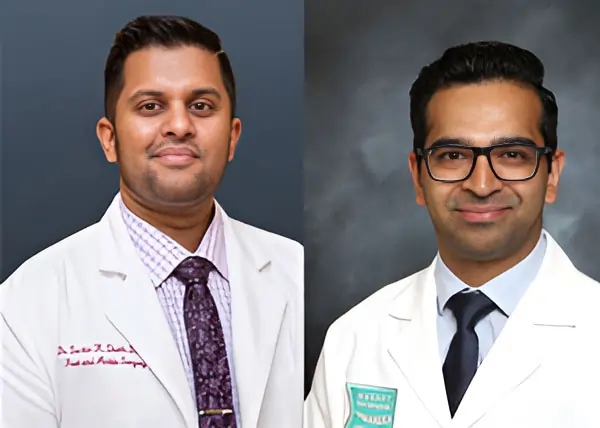
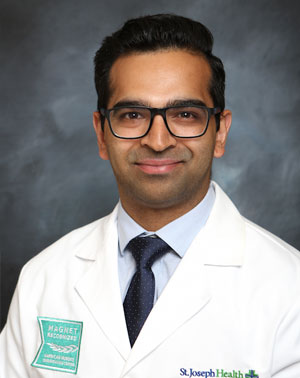
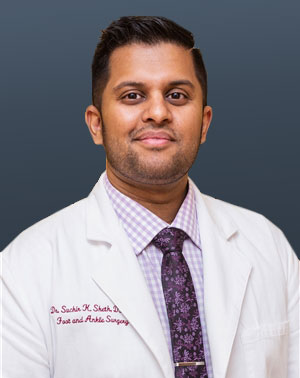
If a bony bump at the base of your big toe is becoming more swollen, more painful, or harder to fit into shoes, a podiatric evaluation can identify the cause and the right course of treatment. Our Hermosa Beach, CA bunions doctor at SoCal Sports Podiatry evaluates and treats every stage of bunion deformity, from early joint changes to advanced cases requiring surgical correction. Dr. Neil Patel and Dr. Suchir Sheth are dual board-certified in foot and ankle surgery and podiatric medicine. We accept Medicare and most PPO insurance plans. Call to schedule your evaluation.
Bunion Care in Hermosa Beach, CA
Bunions develop when the first metatarsal bone gradually shifts outward while the big toe angles toward the second toe. The result is a protruding joint that tends to worsen over time when the underlying mechanics go unaddressed. According to research published by the NIH, hallux valgus affects roughly 23% of adults aged 18 to 65, rising to nearly 36% in adults over 65.
Hermosa Beach residents who stay active through running, surfing, or beach volleyball put consistent load on the forefoot. That kind of repetitive stress can speed up bunion progression. We see patients at every stage and build the approach around where the deformity stands and what each person needs from their feet on a daily basis.
Bunion Treatment Services We Offer in Hermosa Beach
Whether a bunion is in its earliest stages or has progressed to the point of limiting daily activity, our Hermosa Beach, CA bunion treatment practice covers the full scope of care for this condition and any related problems. Each plan begins with imaging and a clinical assessment to determine severity.
- Bunion Evaluation and Diagnosis. Weight-bearing X-rays and a hands-on exam of the joint allow us to measure the degree of deformity, evaluate cartilage health, and identify contributing structural factors. Accurate staging drives every subsequent treatment decision.
- Conservative Bunion Management. For mild to moderate cases, padding, anti-inflammatory care, activity modification, and splinting can reduce discomfort and slow progression. We are direct about what conservative approaches can and cannot accomplish.
- Bunionectomy and Surgical Correction. When non-surgical options can no longer adequately manage symptoms or restore function, surgical correction is the appropriate next step. The specific procedure depends on the type and severity of the deformity, and we review the full scope of the procedure before any decision is finalized.
- Custom Orthotics. Molded to your foot, orthotic devices redistribute pressure across the forefoot and correct gait mechanics that may be contributing to bunion development. They serve both as a treatment tool and a long-term preventive measure for active patients.
- Hammertoe Treatment. Bunions and hammertoes frequently develop together. As the big toe shifts inward, the second and third toes absorb abnormal pressure and begin to contract. We evaluate and manage both conditions when they are present rather than treating one in isolation.
- Corns and Calluses. Friction from the bunion prominence rubbing against footwear commonly produces painful skin thickening. Addressing the bunion itself, rather than just the surface irritation, is what prevents these problems from recurring.
- Foot and Ankle Injuries. Bunion-related gait changes can increase the risk of ankle sprains, forefoot stress fractures, and other lower extremity problems. We treat these alongside bunion care when they arise.
- Metatarsalgia and Forefoot Pain. Altered weight distribution from a bunion can overload the ball of the foot, causing pain beneath the second and third metatarsal heads. Determining whether the bunion is the source is the first step toward effective relief.
- Flat Feet and Structural Assessment. Low arches and overpronation are among the most common underlying contributors to bunion formation. Addressing the structural root leads to more durable outcomes than treating the visible deformity alone.
Why Choose SoCal Sports Podiatry for Bunion Care in Hermosa Beach, CA?
Surgical Qualification That Matters for Bunion Treatment
Bunions are among the few foot conditions in which surgical correction is frequently part of the conversation. That makes the qualifications of the provider who evaluates you especially important. Our doctors, Dr. Neil Patel and Dr. Suchir Sheth, both hold board certification through the American Board of Foot and Ankle Surgery and the American Board of Podiatric Medicine. Dr. Patel completed a three-year surgical residency at the University of Pittsburgh Medical Center. Dr. Sheth trained at Nazareth Hospital. Both graduated from Temple University School of Podiatric Medicine and are members of the American College of Foot and Ankle Surgeons and the American Podiatric Medical Association. Eight years of post-residency practice means we have managed the full spectrum of bunion presentations, from conservative care to complex reconstructive procedures.
Insurance and Scheduling
We accept Medicare and most PPO plans. Our staff verifies your coverage before you arrive so there are no billing surprises at the front desk. Appointments are available during the week, and we accommodate patients with active pain as quickly as our schedule allows.
Understanding Bunion Care
Conditions We Treat and Treatment Options
Bunion deformity rarely exists in a vacuum. The structural shift at the first metatarsophalangeal joint often triggers a chain of secondary problems across the forefoot. At our Hermosa Beach bunion practice, we evaluate and treat the full picture, including:
- Hammertoe contracture of the second and third toes
- Metatarsalgia and forefoot overload
- Flat feet and excessive pronation
- Corns caused by friction and abnormal pressure
- Joint stiffness and early osteoarthritis of the big toe
- Bursitis over the medial eminence
Conservative treatment options range from padding and custom orthotics to anti-inflammatory protocols and proper footwear changes. When these measures no longer control symptoms, surgical correction through a bunionectomy is a well-established procedure with high satisfaction rates. The AAOS notes that nonsurgical care manages pain effectively for many patients, even when it does not reverse the structural deformity itself. We are transparent about what each approach can realistically achieve.
What Should You Expect from Bunion Care?
- The first visit includes weight-bearing X-rays, a physical examination of the affected joint, and a conversation about your symptoms, activity level, and goals.
- We stage the deformity, explain what we are seeing, and outline the realistic treatment options available at your current stage of progression.
- Many patients begin conservative care the same day. Orthotics, padding, and footwear adjustments do not require a waiting period.
- If surgery becomes part of the conversation, we discuss the specific procedure, expected recovery, and what returning to activity actually looks like before any decisions are made.
- Follow-up is built around your condition’s response. We monitor the progression of conservatively managed bunions and track healing milestones in surgical cases.
What Is the Typical Treatment Timeline?
- Initial evaluation, imaging, and treatment planning take place during your first appointment, and you leave knowing where the deformity stands and what the options are.
- Conservative management plans run on an ongoing basis. Some patients achieve meaningful pain reduction within weeks. Others benefit from orthotic use and footwear changes over months as the approach stabilizes their mechanics.
- Bunionectomy recovery varies by procedure. Most patients are in a surgical shoe or walking boot for four to six weeks. Return to athletic activity typically takes three to six months, depending on the scope of the correction.
- Post-surgical follow-up includes monitoring for proper bone healing, assessing alignment, and gradually progressing weight-bearing and activity. If you are a runner, surfer, or otherwise active, the plan accounts for your specific return-to-sport timeline.
- Bunions being managed without surgery benefit from periodic reassessment. We track the deformity over time and adjust the approach if the clinical picture changes.
What Should You Bring to Your First Visit?
- Insurance card and a photo ID
- A current list of medications, vitamins, and supplements
- Any previous foot X-rays or imaging reports, particularly from another podiatrist or orthopedist
- Comfortable shoes that you wear most often, as these provide useful information about your gait and pressure patterns
Worn footwear offers useful diagnostic information. We examine the wear patterns on your shoes to understand how force is distributed through your foot. If you have questions about coverage or referral requirements, our staff can clarify your plan details ahead of the appointment.
What Are Some Important California Podiatry Resources?
The following organizations provide information for verifying credentials, understanding bunion treatment, and learning more about foot health in California:
- California’s podiatric medical board licenses and regulates all Doctors of Podiatric Medicine in the state. The PMBC website allows patients to verify a provider’s license status and disciplinary history.
- The ABFAS explains what board certification in foot and ankle surgery entails and provides a tool to verify a surgeon’s credentials.
- The American Academy of Orthopaedic Surgeons publishes patient-facing guides on bunion causes, nonsurgical options, and surgical procedures through its OrthoInfo platform.
- The NIH hosts peer-reviewed research on hallux valgus prevalence, risk factors, and treatment outcomes through its PubMed Central archive.
These resources offer background information and should not replace a clinical evaluation from a qualified provider. If you are experiencing bunion pain in Hermosa Beach, CA, a consultation with our Hermosa Beach podiatrist is the appropriate next step.
Contact SoCal Sports Podiatry
Living with bunion pain changes how you move, what shoes you can wear, and how much activity you take on. Whether the deformity is just beginning to form or has been affecting your routine for years, a proper evaluation from our Hermosa Beach bunions doctor gives you a clear picture of your options.
We accept Medicare and most PPO plans. Contact us to schedule your appointment with SoCal Sports Podiatry. We will assess the condition, explain what we find, and walk you through a plan built around your goals and your feet.
Contact Us
Services
Testimonials
Had a great experience overall! Dr. Sheth did an amazing job with my foot and has a great sense of humor as well! Highly recommend them.
Dr. Patel was very personable and kind to my 87 year old uncle. He took time to explain what was happening with his healing process and asked if we needed anything else. I appreciate his demeanor and expertise.
This is the most promise I've seen after four other surgeries. Both Dr. Patel and Sheth are great. They are fast - turned it around in less than a week and their surgery coordinator, Matty is amazing. This foot has been an unbelievable burden and I genuinely feel excited by how this seems like it's turning out...excellent service, smart and friendly doctors.
Scheduling an appointment and filling out the online patient form was very easy. Jordan the medical assistant who also did the scheduling was very cordial and helpful. Dr. Sheth was professional and friendly and never once pushed for unnecessary procedure.
SoCal Sports Podiatry
2001 Santa Monica Blvd. Suite 465-W
Santa Monica, CA 90404
(310) 395-5025