Palisades Pacific Podiatrist
Podiatry care recognized by the American Board of Foot and Ankle Surgery and provided to patients throughout Pacific Palisades.
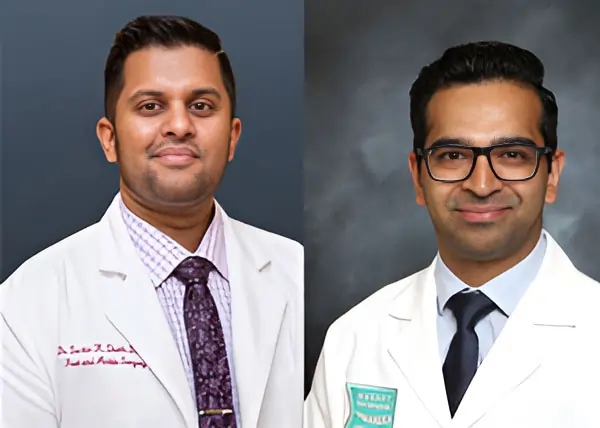
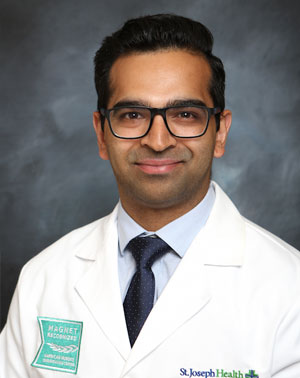
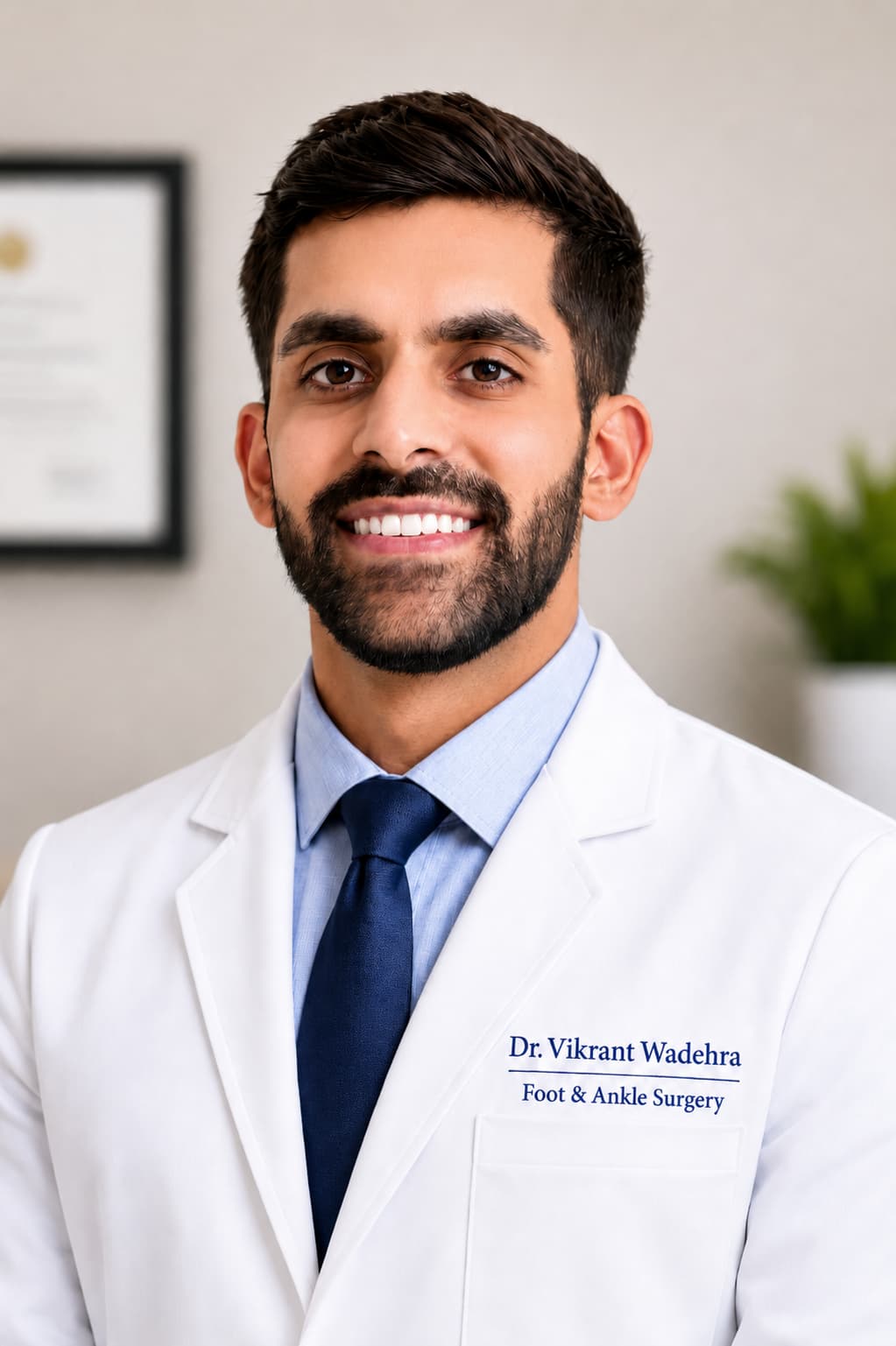
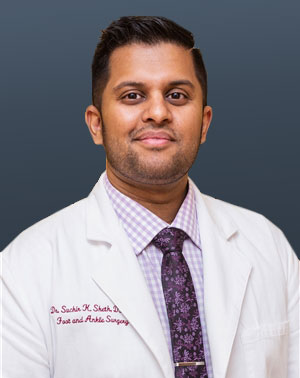
Some foot problems clear up on their own. Many do not. Heel pain that returns with the first step out of bed, an ankle that keeps giving way, a nail infection that won’t resolve no matter what you try at home: these are the cases that call for a specialist. Our Pacific Palisades, CA podiatrist treats them every week. Dr. Suchir Sheth and Dr. Neil Patel are dual board-certified in foot and ankle surgery and podiatric medicine, with eight years of clinical practice at SoCal Sports Podiatry. We accept Medicare and most PPO insurance plans. Call the office to schedule an appointment.
Podiatric Care in Pacific Palisades, CA
A podiatrist treats the feet, ankles, and lower legs. The range is wide. Chronic heel pain, structural deformities, acute sports injuries, and the slow recovery that follows surgery all fall under podiatric care. For people living in Pacific Palisades and the wider Westside, a board-certified foot and ankle specialist nearby means quicker answers and a clearer path back to full activity.
Our patients tend to be active. We see runners and hikers, surfers, weekend athletes who depend on feet that simply work. We also see people managing diabetes and people dealing with the structural shifts that come with age. The reason for the visit varies from patient to patient. The goal does not: find the cause, then build a plan that addresses it.
Podiatry Services We Offer in Pacific Palisades
We treat the full range of foot and ankle conditions here, from the sports foot injuries common among active residents to long-standing structural problems. Most visits start the same way, with a careful exam. What comes next depends on what we find.
- Plantar Fasciitis and Heel Pain. This is the condition we see most. The pain is sharp, usually near the heel, and is worst with the first steps in the morning. Depending on severity, care ranges from stretching and orthotics to shockwave therapy or a targeted injection.
- Bunions. The joint at the base of the big toe drifts out of line, and a bony bump forms over it. Left alone, a bunion tends to worsen. We image the joint, stage the deformity, and recommend either conservative care or surgical correction based on how far it has progressed.
- Ankle Sprains and Instability. Ligament injuries to the ankle are common, and they’re easy to undertreat. We grade the damage, guide rehabilitation, and watch for lingering instability that can set up the next sprain.
- Sports Injuries. Active people get hurt in specific ways: Achilles strain, metatarsal fractures, and the gradual wear of hard training. Our focus is a safe return to whatever activity mattered to you in the first place.
- Ingrown Toenails. When a nail edge cuts into the surrounding skin, swelling and infection often follow. We handle this in the office with a procedure that resolves the issue and reduces the odds of it returning.
- Custom Orthotics. These are cast from molds of your own feet. They correct alignment, distribute pressure more evenly across the foot, and ease pain associated with flat arches, high arches, and other mechanical imbalances.
- Toenail Fungus. A fungal infection thickens and discolors the nail over months. Our treatments target the infection itself rather than its appearance, so a healthy nail has a chance to grow back.
- Flat Feet. A collapsed arch rarely stays just a foot problem. It pulls at the heels and knees, sometimes the lower back. We analyze your gait and recommend support or correction based on what the structure is actually doing.
- Diabetic Foot Care. Diabetes raises the risk of nerve damage, poor circulation, and wounds that heal slowly. Regular monitoring catches those changes early. For many patients, that is the difference that protects the foot over the long term.
- Corns and Calluses. Friction and pressure build up thick, painful skin. We treat the surface for relief. But we also look for the cause, because that is what keeps the problem from returning.
Why Choose SoCal Sports Podiatry for Podiatric Care in Pacific Palisades, CA?
Residency-Trained, Dual Board-Certified Providers
Our podiatrists both earned their podiatric medical degrees at Temple University School of Podiatric Medicine. From there, their paths split. Dr. Sheth completed his residency at Nazareth Hospital; Dr. Patel completed his at the University of Pittsburgh Medical Center. Both hold board certification from the American Board of Foot and Ankle Surgery and the American Board of Podiatric Medicine, and both are members of the American College of Foot and Ankle Surgeons and the American Podiatric Medical Association.
A Practice Built for Active Patients
Pacific Palisades sits next to some of the best trails, surf, and open road in the state, and our patients use them all. We built the practice around that reality. A trail runner nursing heel pain and a retiree managing a slow arch collapse get the same attention here. We take Medicare and most PPO plans. And we run on schedule, which means less time in the waiting room and more of the life that brought you in.
Understanding Podiatric Care
Conditions We Treat and Treatment Options
Foot and ankle trouble comes from a short list of sources: structural imbalance, repetitive load, sudden injury, infection, or a systemic condition that affects the feet. At our Pacific Palisades practice, the problems we see most often include:
- Plantar fasciitis and the chronic heel pain that travels with it
- Ankle sprains and the instability that lingers afterward
- Stress fractures in the metatarsals and the heel bone
- Achilles tendinopathy and partial tears of the tendon
- Bunion and hammertoe deformity
- Diabetic neuropathy and the wounds it can hide
- Ingrown toenails and fungal nail infections
What we do about any of it depends on the diagnosis. Conservative care covers a lot of ground, from physical therapy and custom orthotics to bracing, anti-inflammatory measures, and shockwave therapy. When those options run their course without enough improvement, we move to surgery, both the elective and the reconstructive kind. One figure is worth keeping in mind. According to NIH clinical research, coordinated diabetic foot care and early intervention can reduce diabetes-related amputations by up to 85%. That is why we recommend routine monitoring for patients with diabetes, rather than waiting for a problem to surface.
What Should You Expect from Podiatric Care?
- The first visit is mostly listening and looking. We review your history, examine the area that hurts, and order imaging when appropriate.
- We explain what we found in plain terms, then lay out the options before you commit to anything.
- Many conditions respond to conservative care that begins the same day. That means no waiting and no drawn-out approval process.
- How often you return depends on how you respond. Some patients come back in two weeks. Others need six.
- When surgery is on the table, we walk through the procedure, the recovery, and what returning to activity actually involves, all of it, before any decision is made.
What Is the Typical Treatment Timeline?
- Day one covers the evaluation, the imaging, and the plan. Most patients leave with a working diagnosis already in hand.
- Conservative plans usually run four to eight weeks. We adjust as your body responds, and relief sometimes arrives ahead of schedule.
- Surgical recovery depends on the work involved. Minor surgical procedures might mean one to two weeks of modified activity. Reconstructive cases can take six to twelve weeks before full weight-bearing.
- Some chronic conditions need months of stretching, orthotic wear, and the occasional recheck. Proper footwear does a surprising amount of the long-term work.
- No two timelines match exactly. Age, activity level, overall health, and how closely you follow the home plan all shape the outcome.
What Should You Bring to Your First Visit?
- Your insurance card and a government-issued photo ID
- A current list of medications and supplements
- Any prior imaging, such as X-rays or MRIs from another provider, if you have it
- A few notes on your symptoms: when they started, what makes them worse, and what you’ve already tried
Coming in prepared shortens the gap between your first visit and the start of treatment. If you are not sure whether your plan requires a referral, call ahead and our staff will verify your coverage before you arrive.
What Are Some Important California Podiatry Resources?
A few organizations can help you check credentials and learn more about foot and ankle health in California:
- The state’s podiatric medical board licenses every Doctor of Podiatric Medicine in California. The PMBC site lets you confirm that a provider’s license is current.
- The ABFAS explains what certification in foot and ankle surgery actually requires and lets you verify a surgeon’s standing.
- The APMA publishes patient education on foot health, diabetes-related foot conditions, and how to find a podiatrist nearby.
None of this replaces a hands-on evaluation. If you are dealing with foot or ankle symptoms in Pacific Palisades, see a podiatrist who can examine you directly.
Contact SoCal Sports Podiatry
Foot and ankle problems rarely sort themselves out, and the longer they sit, the harder they tend to be to fix. If you are living with pain, stiffness, or something that home care hasn’t touched, come in for an evaluation with our Pacific Palisades, CA podiatrist.
We accept Medicare and most PPO plans. Weekday appointments are available, and we keep room open for urgent cases. Contact us to set up a visit with SoCal Sports Podiatry. You’ll get a straight diagnosis, an honest assessment of your options, and a plan built to get you moving comfortably again.
Contact Us
Services
Testimonials
Had a great experience overall! Dr. Sheth did an amazing job with my foot and has a great sense of humor as well! Highly recommend them.
Dr. Patel was very personable and kind to my 87 year old uncle. He took time to explain what was happening with his healing process and asked if we needed anything else. I appreciate his demeanor and expertise.
This is the most promise I've seen after four other surgeries. Both Dr. Patel and Sheth are great. They are fast - turned it around in less than a week and their surgery coordinator, Matty is amazing. This foot has been an unbelievable burden and I genuinely feel excited by how this seems like it's turning out...excellent service, smart and friendly doctors.
Scheduling an appointment and filling out the online patient form was very easy. Jordan the medical assistant who also did the scheduling was very cordial and helpful. Dr. Sheth was professional and friendly and never once pushed for unnecessary procedure.
SoCal Sports Podiatry
2001 Santa Monica Blvd. Suite 465-W
Santa Monica, CA 90404
(310) 395-5025